Why AI Testing and Validation Tools Are Becoming the Real Leverage Point
- 4 minutes - Mar 15, 2026
- #ai#testing#validation#quality#developer-tools
One of the clearest signs that the AI coding market is maturing is that some of the most interesting product launches are no longer about generating code. They are about proving the generated code is usable.
TestSprite 2.1, released in early March 2026, is a good example. The company says nearly 100,000 development and QA teams now use the platform to validate AI-generated code, and the latest release claims a 4-5x faster testing engine, visual test editing, automatic pull request testing, and an especially telling benchmark: AI-generated code initially passed only 42% of comprehensive test cases, but jumped to 93% after one iteration with TestSprite’s testing agent.
Whether those exact numbers generalize everywhere is less important than the market signal underneath them. The validation layer is becoming the leverage point.
Why Validation Is Suddenly the Important Layer
Most teams already know how to get more code out of AI tools. That is not the hard part anymore.
The bottlenecks now are familiar:
- too many pull requests
- more code to review than teams can realistically inspect
- more plausible mistakes that survive a casual skim
- quality and security problems showing up downstream
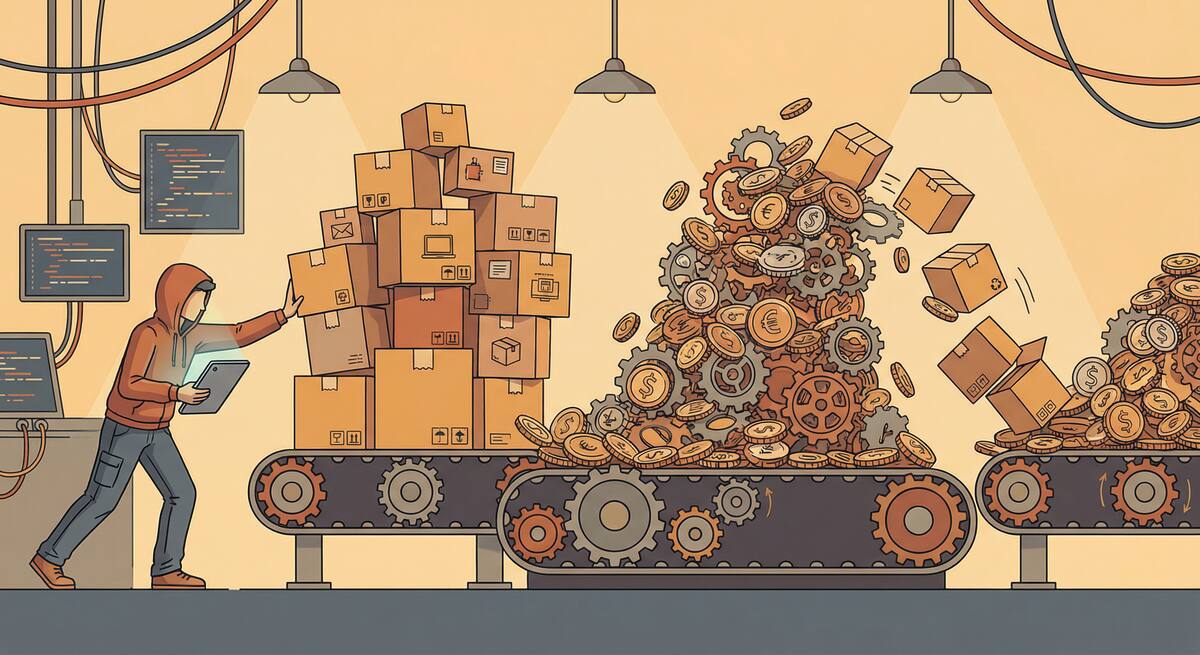
When generation accelerates, the most valuable tool is often the one that makes verification cheaper. That is why testing, quality gates, and automated validation are getting more attention. They directly attack the mismatch between how fast AI can produce code and how slowly humans can build confidence in it.
What Makes This More Than Just “Better Test Automation”
Traditional test automation mostly assumed human-authored change. AI-generated code changes the shape of the problem.
You now need testing workflows that can:
- spin up quickly against high PR volume
- handle broader variation in implementation style
- detect edge cases and negative paths that were not explicitly designed by the developer
- provide actionable feedback fast enough that iteration still feels cheap
That is what products like TestSprite are really competing on. Not just writing tests, but making validation fast enough to keep pace with AI-assisted delivery.
The visual test editing capability is also telling. It recognizes that teams do not want a black-box test generator. They want a way to correct and guide generated tests without starting over. That is the same pattern we keep seeing in AI tooling generally: the winning experience is often not full autonomy, but fast correction loops.
Why This Matters Strategically
If your organization is trying to get more value from AI coding tools, there are two broad ways to improve outcomes:
- make generation better
- make validation faster
Generation is getting plenty of investment already, from every major vendor. Validation is where many teams are still underbuilt.
That means the marginal return from a better testing and review stack may be higher than the return from switching from one frontier model to another. A team that catches weak AI output quickly will often outperform a team with a slightly better model but a slow, manual validation process.
The Better Adoption Playbook
For teams that are disappointed with AI ROI, the practical move is not always “buy a smarter assistant.” It may be:
- add PR-level validation that can run automatically on preview environments
- tighten quality gates around security, auth, and data-handling paths
- use AI to expand test coverage and surface edge cases before review
- shorten the loop between code generation and trustworthy signal
That last point is what matters most. Engineers do not need perfect certainty. They need fast enough evidence to make good decisions.
The Larger Trend
Over the past several weeks, we have seen:
- AI code generation create review bottlenecks
- security tooling move toward AI-assisted exploit validation
- orchestration frameworks focus on proof and merge criteria
- benchmark studies show leading models still produce too many vulnerabilities
Put together, the pattern is clear. The AI coding market is shifting from “who can generate more?” to “who can validate more, faster, with less human drag?”
That is why AI testing and validation tools are becoming the real leverage point. In 2026, trust is the scarce resource. The platforms that help teams manufacture trust quickly are the ones most likely to matter.