The OpenAI Codex App and What Multi-Agent Development Actually Looks Like
- 4 minutes - Mar 7, 2026
- #ai#openai#coding-agents#multi-agent#developer-tools
In February 2026, OpenAI shipped a standalone Codex app. The headline is straightforward: it lets you manage multiple AI coding agents across projects, with parallel task execution, persistent context, and built-in git tooling. It’s currently available on macOS for paid ChatGPT plan subscribers.
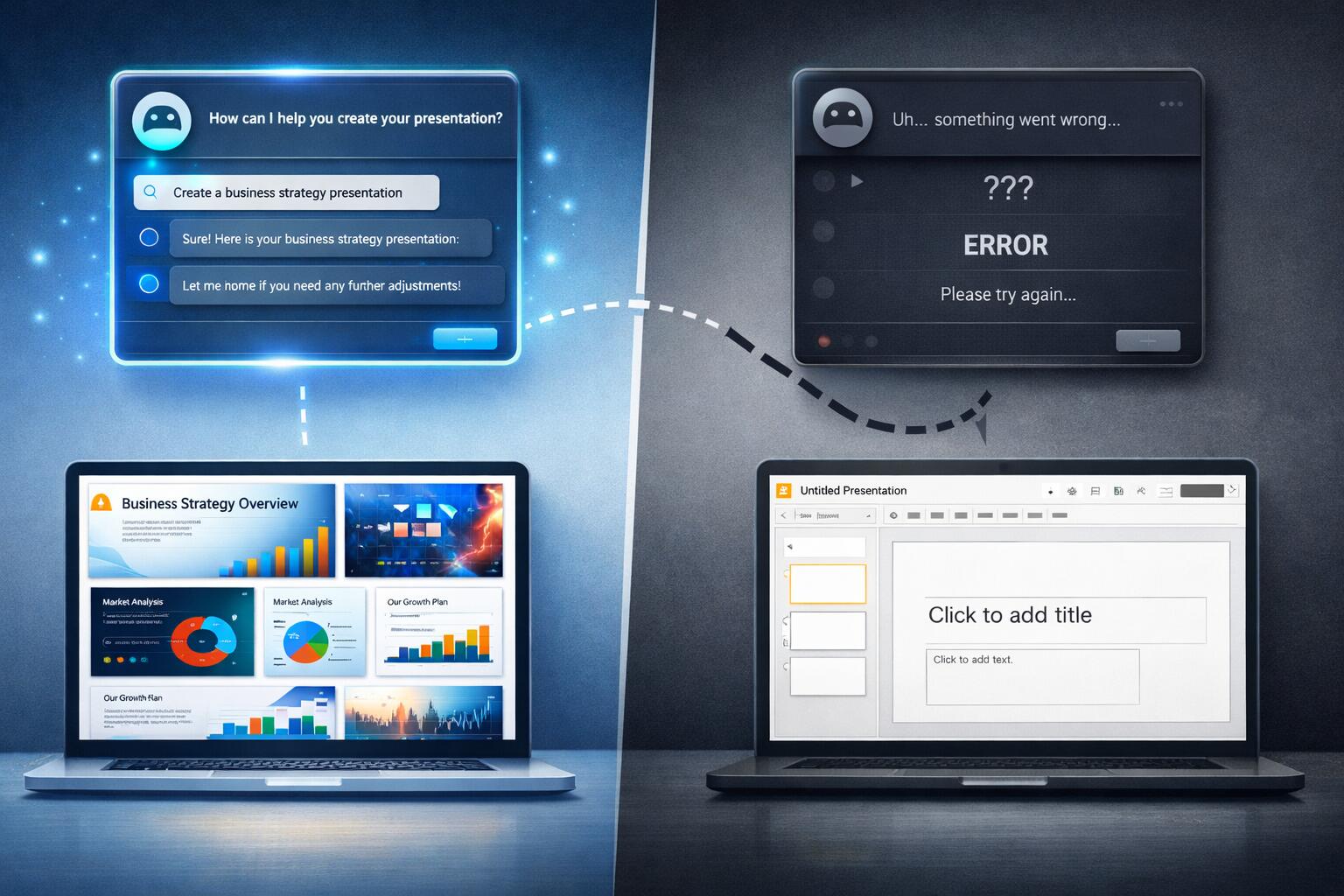
But the headline undersells what’s actually happening. The Codex app isn’t just a better chat interface for code—it’s an early, concrete version of what multi-agent software development looks like when it arrives as a consumer product. Understanding what it actually does (and doesn’t do) matters for any team thinking seriously about AI-assisted development in 2026.
What the Codex App Actually Does
Each agent in the Codex app runs in an isolated cloud sandbox. Tasks run in parallel, in separate threads organized by project, and the app preserves context across sessions—you don’t lose track of what an agent was working on because you switched to something else.
The key integrations:
- Built-in worktree support: Multiple agents can work on the same repository simultaneously without conflicting
- Git functionality: Agents can commit, branch, and open PRs directly
- Skills and automations: Reusable workflows that agents can execute on demand
- Multi-interface: CLI, VSCode extension, Cursor, Windsurf, and the standalone app all feed into the same agent platform
The core operation is what OpenAI calls the Plan-Execute-Observe-Iterate loop: agents don’t just predict tokens—they navigate repositories, edit files, run tests, and iterate on their output based on results. The standalone app is a management layer for orchestrating that loop across multiple concurrent tasks.
What Actually Changes with Multi-Agent Development
The single-agent model of AI-assisted development—one developer, one assistant, one conversation—maps reasonably well onto existing workflows. You write code, the assistant suggests completions, you accept or reject. The human is still the unit of work.
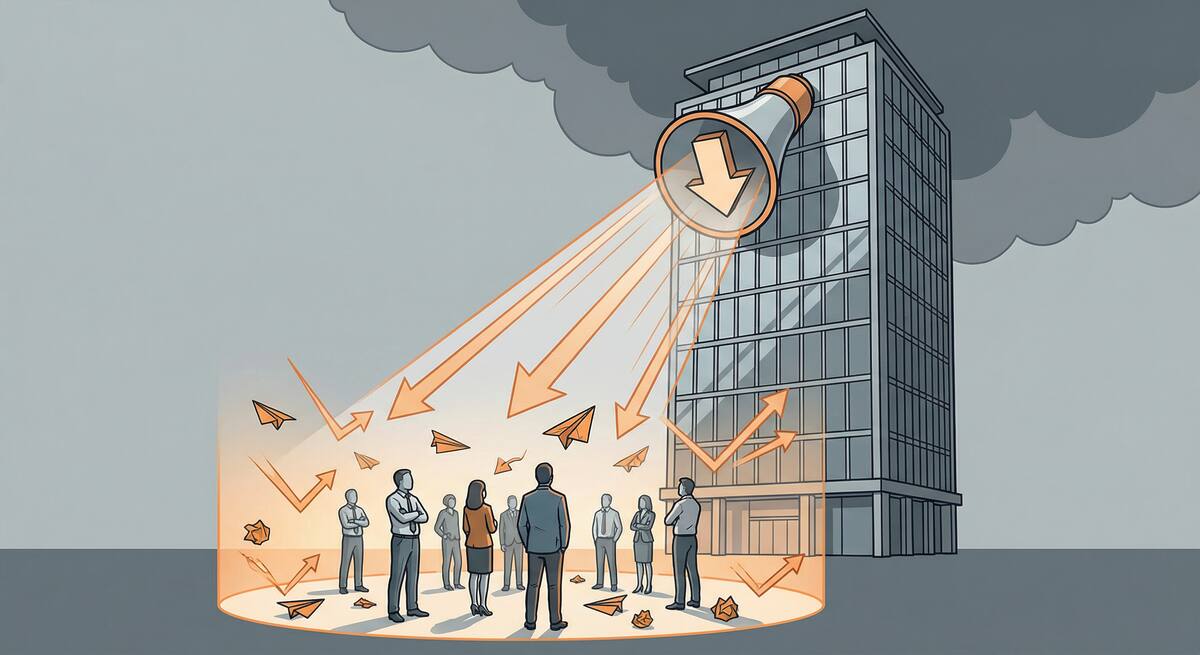
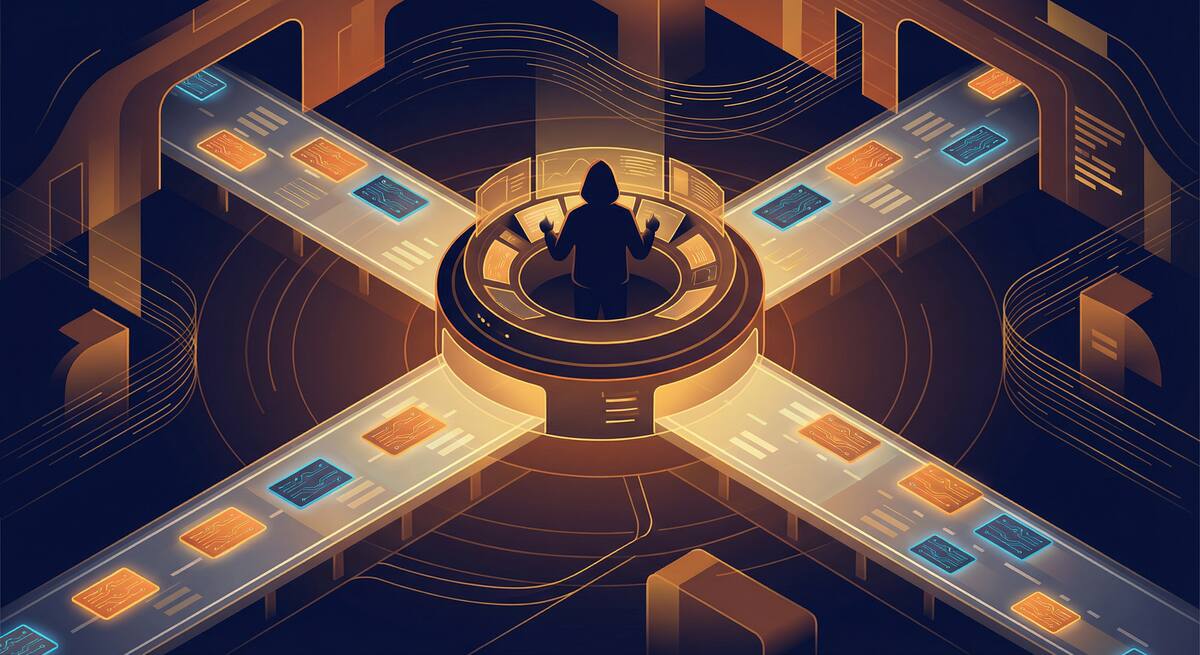
Multi-agent development breaks that model. When you can delegate a feature branch to one agent, a test pass to another, and a documentation update to a third—simultaneously—the developer becomes an orchestrator rather than a coder. The work isn’t writing code; it’s defining tasks precisely enough that agents can execute them, reviewing agent output, and integrating results.
That’s a fundamentally different skill profile:
- Task decomposition: Can you break a feature into pieces small enough that an agent can handle each one without human intervention mid-task?
- Output evaluation: When three agents produce three different implementations of the same spec, can you evaluate them quickly and accurately?
- Integration judgment: Agent-generated branches may conflict in ways that aren’t obvious until merge time. Managing that is now a core competency.
The teams getting value from multi-agent systems in 2026 aren’t the ones running agents on the hardest problems. They’re the ones who’ve gotten good at identifying which tasks are well-suited to delegation (well-scoped, low-ambiguity, with clear acceptance criteria) and which aren’t.
What Doesn’t Change
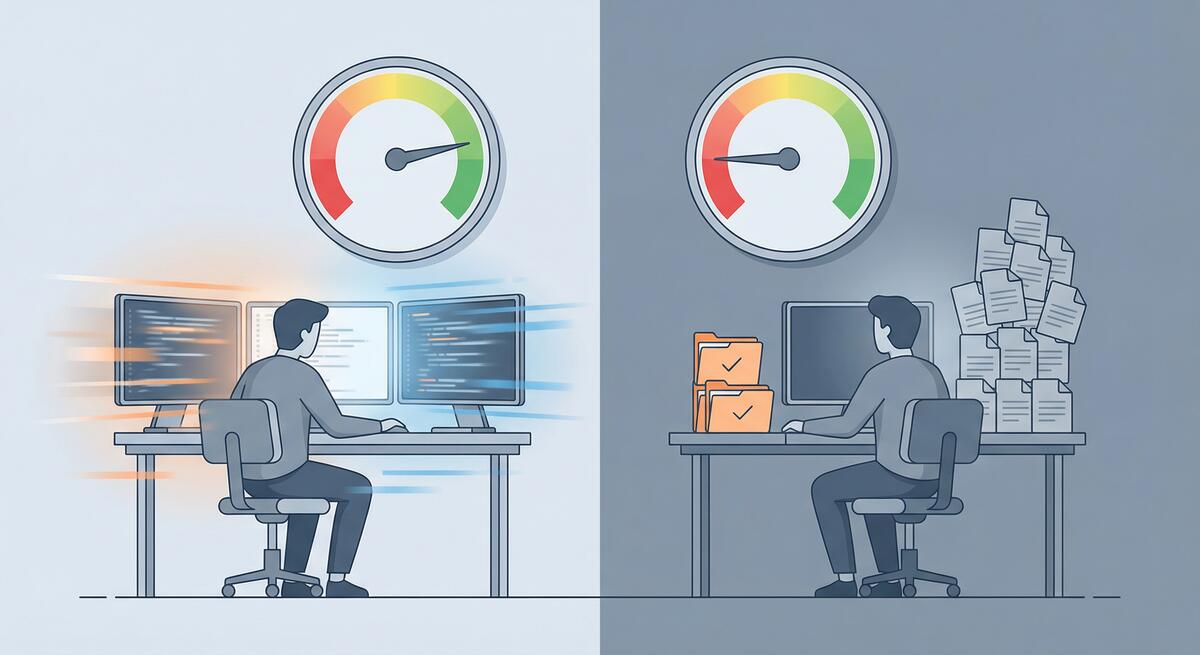
The accountability problem doesn’t go away when you have multiple agents. If anything, it compounds. An isolated agent in a sandbox can ship a feature, but it shipped it with the understanding it had—which is the PR description and the test suite, not the institutional knowledge of the team. Review is still required. The faster agents generate, the more important the review becomes.
Context also doesn’t transfer between agents automatically. If agent A makes an architectural decision on branch X, agent B working on branch Y doesn’t know about it. The developer is still the integration point for cross-cutting context. “Just delegate it to agents” breaks down wherever implicit context matters.
Security in sandboxed environments is better than in fully-privileged environments, but it’s not a solved problem. Prompt injection—where malicious content in the codebase or data sources causes an agent to take unintended actions—is a real concern when agents have git access and can open PRs. The Codex app runs tasks in isolated cloud sandboxes, which provides meaningful containment, but it’s not a substitute for reviewing what agents actually did.
The Practical Signal for Engineering Teams
The Codex app is early, and it’s aimed at individual developers more than enterprises. But it’s a reliable signal of where the market is heading. Claude Code 2.0 (released February 2026) brought multi-agent orchestration and persistent project memory to Anthropic’s platform. GitHub Agentic Workflows enable Markdown-defined automation across repos. The convergence point is clear: the next 18 months are the period in which multi-agent development goes from a curiosity to a standard workflow.
For teams that want to stay ahead of that transition: the highest-value thing to do now isn’t to adopt the most sophisticated multi-agent tooling. It’s to build the underlying discipline—task decomposition, output evaluation, and review processes that can handle increased velocity—so that when the tooling matures, you’re ready to use it well.
Multi-agent development doesn’t reduce the need for engineering judgment. It raises the premium on it.